A VISUAL TOUR THROUGH THE STATUS QUO IN THE UNITED STATES

MASS INCARCERATION

Over 600,000 people enter U.S. prisons every year. In the first visual below, we've condensed a full year into twelve minutes (each minute representing one month) to reveal the true scale of how rapidly people are being pulled into the system.
January 20xx
0 people incarcerated
= 3 people
Non-violent offenders
Violent offenders
Innocent, but incarcerated

RECIDIVISM

Nearly half of all those released will return to prison within just five years. A stated purpose of our justice system is reform, and data reveals that it fails catastrophically in achieving this.

This visual condenses the first five years after release into 30 seconds. Observe this representative sample of 100 individuals to see how many are able to hold on to their freedom.

Year 1
I
I
II
II
III
III
IV
IV
V
IV
100/100 in prison
0/100 remain free

FORCED LABOR

“Neither slavery nor involuntary servitude, except as a punishment for crime whereof the party shall have been duly convicted, shall exist within the United States…”

— U.S. Constitution, 13th Amendment (1865)

US prisons, both private and government run, take advantage of the fact that the 13th Amendment explicitly allows slavery for people convicted of a crime. This raises a fundamental moral dilemma: if forced labor is wrong in principle, does it become acceptable simply because the person has been convicted of a crime?

Currently, roughly 800,000 prisoners are made to work in prisons. Over two thirds of this group report that they are forced to work or face retaliation such as solitary confinement, loss of "good time", or denial of family visitation.

These workers are denied workplace safety guarantees, the right to unionize, and are paid generally paid very little for their labor. In a blatant implementation of forced labor, in 7 states states it is legal to pay them absolutely nothing at all. The visual below shows how much different types of workers make over time.

Hours worked
0
Median
worker
$0.00
Minimum wage
worker
$0.00
Paid
prisoner
$0.00
Unpaid
prisoner
$0.00

The ACLU reports that "The government takes up to 80 percent of these wages for 'room and board,' court costs, restitution, and other fees like building and sustaining prisons...prison systems charge incarcerated people exorbitant costs for basic necessities, like phone calls to loved ones, hygiene products, and medical care."

Examples of prison commissary prices

ICE DETENTIONS

ICE detentions operate as an increasingly invasive apparatus of mass incarceration in the United States. Since the Trump administration returned to power, the number of people held in ICE detention has grown by nearly 70%. As of early August 2026, ICE was holding about 68,000 people, just under a record of more than 70,000 set in January. 70.6% of those detained have no criminal conviction.

The pace of new detentions is still accelerating. In July 2026, ICE booked more than 46,000 people into custody, a monthly high for this administration and an average of 1,500 people every day. The total number of people detained, questioned, or threatened with deportation is likely far higher, as these figures only count those who end up in actual custody. The chart below shows who is actually being held.

65,765 held in ICE detention
0.0% No conviction 0 people
0.0% Convicted 0 people

As of July 11, 2026. Another 20,247 people have pending charges with no conviction and are counted in the black. Source: TRAC Immigration.

OPPORTUNITY COST

A recent survey found that 58% of Americans think our system is "not tough enough" in its handling of crime. Prisons are viewed as a low risk way to keep the population safe while detering crime. After all, it's impossible for someone to hurt you if they are locked up.

With over 1.25 million people in prison, the US has applied this mentality liberally. Mass incarceration is a wildly expensive proposition, with massive opportunity costs. The below visual shows how the cost of incarceration scales as more people are added to the system.

Year 1, Month 1, Day 1
ESTIMATED COST SO FAR
$0
= 50 people
Prisoners
0
State prisoners 0
Federal prisoners 0
Just for some context, this is enough to pay for...
0 Years of child care
0 Miles of highway repaired
0 Years of SNAP benefits
0 Years of veteran housing support
0 Lead pipes replaced
0 Job trainings for ex-convict

RACIAL DISPARITIES

The overrepresentation of people of color in U.S. prisons isn’t driven by any single cause. Environmental and situational conditions (i.e poverty, neighborhood crime rates, unequal access to education) shape some of the disparity. But systemic racism, in both policing and legal outcomes, is also well-documented as a significant contributor.

Same minor traffic stop. Very different odds of being searched.
White drivers Baseline 3.6% searched
0 searched
Black drivers 6.2% searched (1.72x baseline)
0 searched
Latino drivers 9.2% searched (2.55x baseline)
0 searched
Each car represents a driver pulled over for the same kind of stop. When a car turns red, it represents a search. Despite searching non-white drivers more often, odds of finding drugs, weapons, or contraband are consistently equal or lower when compared to white drivers.
More searches means more arrests. And after being arrested, the story is much the same. Before trial, non-white defendants are more likely to be detained in jail rather than released. When release conditions are offered, monetary bail is more common among non-white defendants, and the amount set is often substantially higher.

Sentencing after trial is more aggressive for non-white defendants, even when the crime is the same.
Same conviction. Different time served.
White men Baseline average sentence
Latino men 11.2% longer sentences
Black men 13.4% longer sentences
Each bar represents time served for the same kind of offense. Watch how quickly white men's bar fills and turns green (released) compared to Black and Latino men.
The race of the victim in crimes also plays a role in how justice is handled. One study found that the odds of a death sentence were sixteen times greater if the victim was a white woman than if the victim was a black man.

Among those sentenced to death, there has historically been a strong correlation between the race of the victim and the likelihood of execution. The data below comes from a case study in Georgia, and the authors believe these discriminatory trends remain prevalent nationwide today.
Race and gender correlate with likelihood of execution
White female victim 30% executed
0 executed
White male victim 19% executed
0 executed
Black female victim 10% executed
0 executed
Black male victim 0% executed
0 executed
Each figure represents a person sentenced to death. Red individuals represent those who were executed. No executions in cases involving a black male victim were recorded in this study. Note: this visual represent percentages of executions we would expect given available data, not individual cases.

THE FACES OF WRONGFUL CONVICTION

It has been estimated that between 1 and 6 percent of all people US prisons are innocent, and have been wrongfully convicted of their crimes. These unlucky souls suffer a grim fate, all while knowing of their innocence, enduring brutal prison conditions and in some cases are even put to death.

When the goal of a system is to punish and inflict pain rather than to reform, innocent people are swept into the same terribly machinery as the guilty. In this visual, you can click or hover over the images to learn more about their stories.
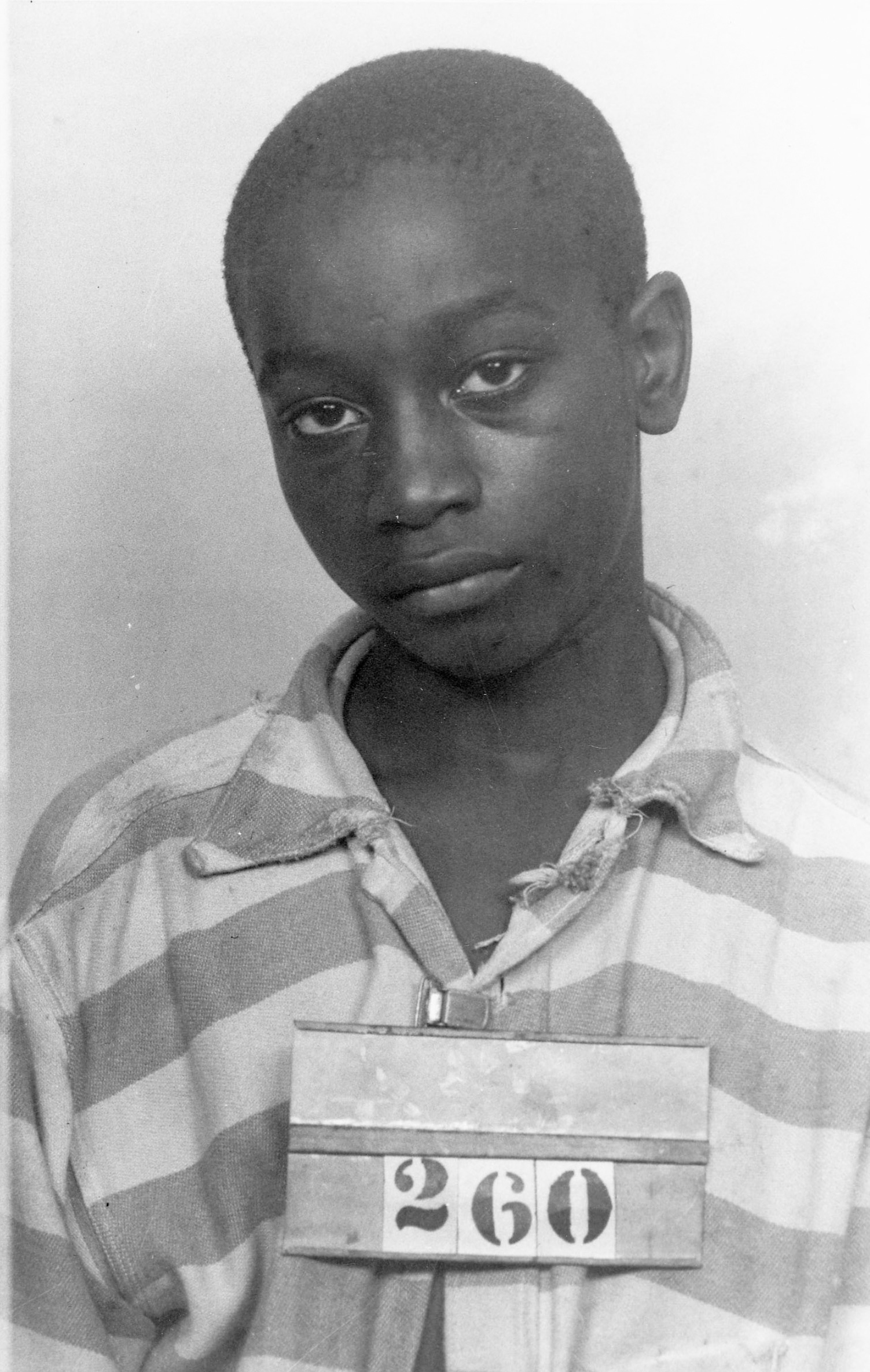
George Stinney

George Stinney

George Stinney was a 14 year old boy when he was wrongfully arrested for the murder of two white girls. After a coerced confession and no legal defense, his trial was decided in a manner of hours. He was murdered by the state via electic chair in 1944.

In 2014, a judge vacated his conviction, ruling that he had been denied even the most basic constitutional principles.
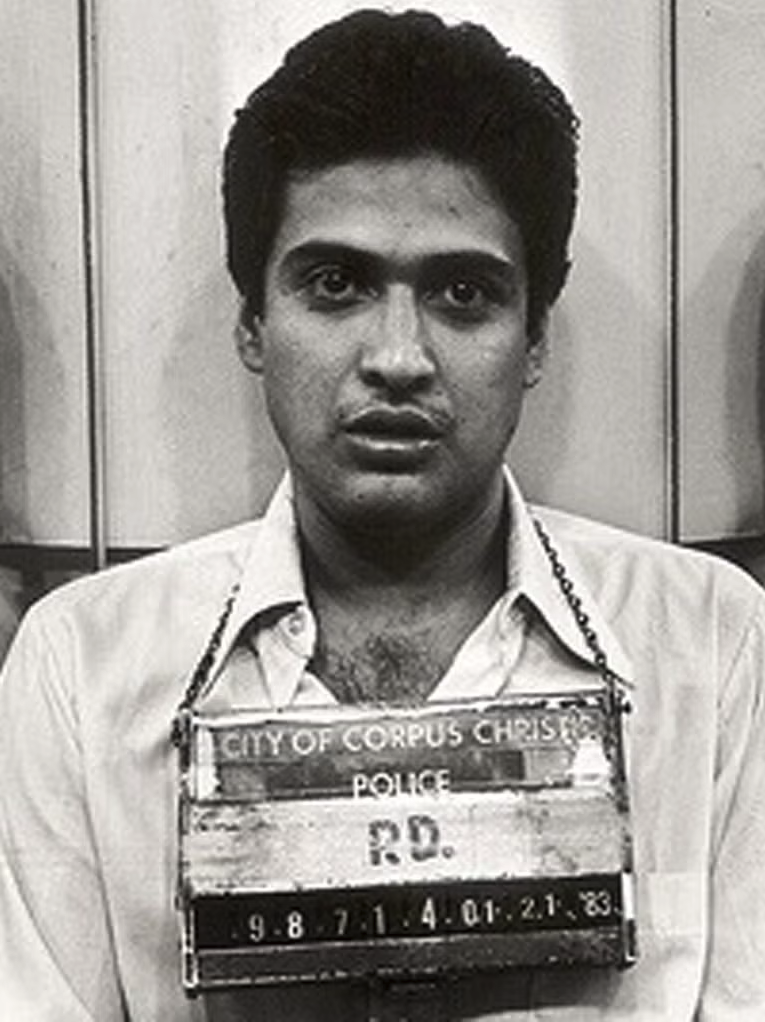
Carlos Deluna

Carlos DeLuna

Carlos DeLuna was 20 years old when he was arrested for the stabbing murder of Wanda Lopez. DeLuna claimed the real killer was Carlos Hernandez, a man known to police with a history of knife attacks and who repeatedly confessed to the murder.

He was executed in 1989, and a Columbia University investigation in 2012 concluded that he was almost certainly innocent and Hernandez was the actual killer.
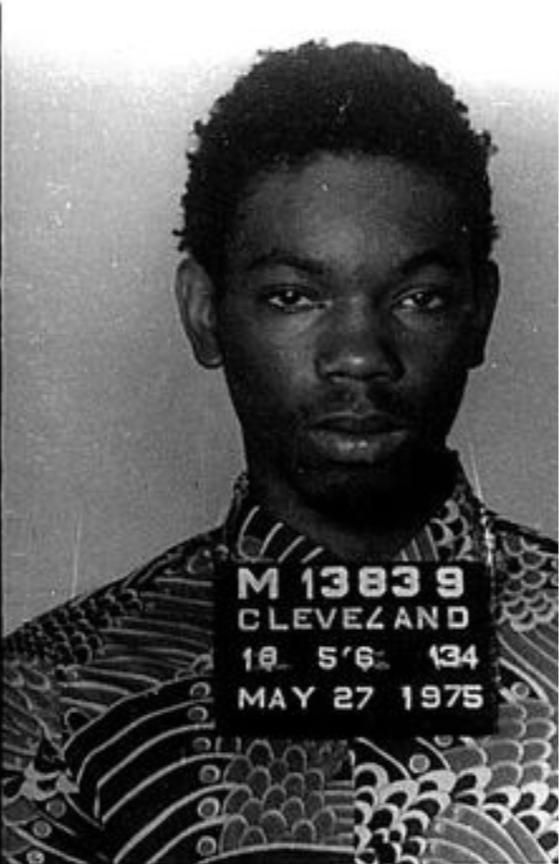
Ricky Jackson

Ricky Jackson

Ricky Jackson was convicted of a 1975 murder in Cleveland based entirely on the testimony of a 12 year old boy, with no physical evidence. He was sentenced to death, and while the death sentence was later overturned, spent 39 years in prison.

In 2014, the key witness recanted in open court, admitting that he had lied and that detectives had threatened and coerced him into identifying Jackson.
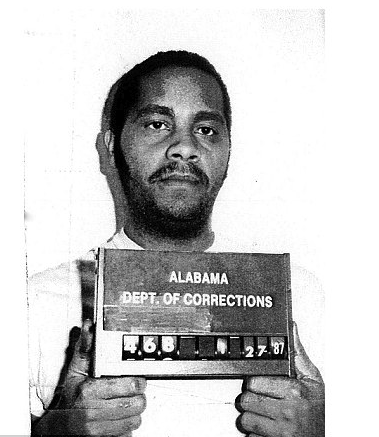
Anthony Hinton

Anthony Hinton

Anthony Hinton was arrested in Alabama in 1985 and convicted of two murders based on faulty ballistics evidence despite an airtight alibi. The detectives told him "I can bring you to trial, and I can convict you. I don’t care if you didn’t do it. You’re Black, and it will be a white jury."

Hinton spent 30 years on death row before his conviction was overturned in 2015. He is now an advocate for criminal justice reform.
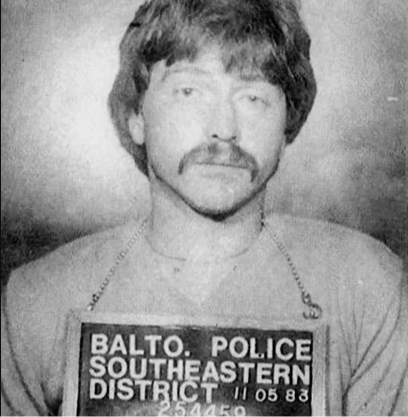
Kirk Bloodworth

Kirk Bloodsworth

Kirk Bloodsworth was convicted in Maryland in 1985 for the rape and murder of a 9 year old girl based on misidentification from multiple eyewitnesses. No physical evidence linked him to the crime. He was sentenced to death, becoming the first person in the US sent to death row based soley on eyewitness testimony.

After nearly 9 years in prison, 2 of them on death row, he was released after DNA testing proved his innocence.
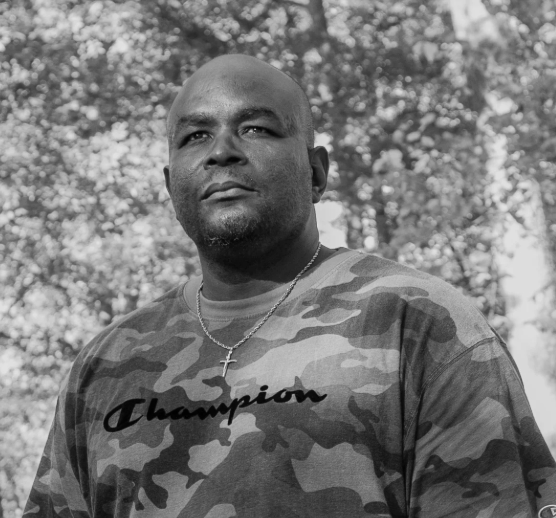
Dontae Sharpe

Dontae Sharpe

Dontae Sharpe was convicted in 1995 for a murder in North Carolina based almost entirely on the testimony of a 15 year old girl who recanted just two weeks after the trial, saying police pressured her to lie.

Medical testimony showed the state's story for the evidence was scientifically impossible. Despite the recantions and new evidence, courts refused to act for decades, and Sharpe spent 26 years in prison before his conviction was finally vacated in 2019.
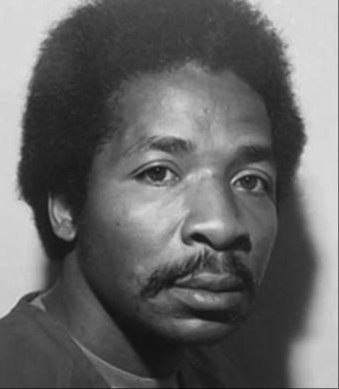
Glenn Ford

Glenn Ford

Glenn Ford was convicted in 1984 by an all-white jury in Louisiana for the murder of a jeweler. There was no murder weapon, no eyewitness testimony, and only circumstantial evidence.

Ford spent 30 years on death row and maintained his innocence until his conviction was vacacted in 2014. Prosecutors admitted that they withheld exculpatory evidence at trial.
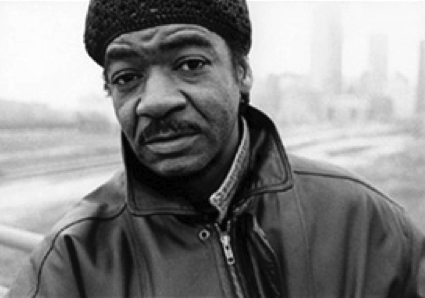
Anthony Porter

Anthony Porter

Anthony Porter was convicted of a double murder in Chicago in 1983 and spent nearly 17 years on death row. He came within 48 hours of execution before a stay was issued to assess his mental competency.

Journalism students investigated the case and evetually obtained a videotaped confession from another man as well as witness recantions. He was freed in 1999 and his case directly paved a path for the abolishment of the death penalty in Illinois.
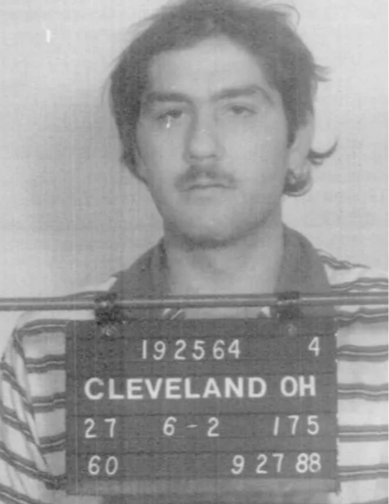
Joe D'Ambrosio

Joe D'Ambrosio

Joe D’Ambrosio was convicted in 1989 for the 1988 murder of Anthony Klann and sent to Ohio’s death row, even though no physical or forensic evidence ever linked him to the crime.

His conviction relied on one unreliable witness, while prosecutors withheld key evidence pointing to another suspect. He spent over 20 years in prison before his conviction was vacated in 2006. All charges were dismissed in 2012.

Chapters for

MASS INCARCERATION

Made with ❤️ by Zachary Jordan